
What Is Lo-Fi Marketing?
There is a certain kind of ad that stops your scroll not because it is polished, but because it is not. No studio lighting. No script that sounds like a script. No production budget announcing itself in every frame. Often times, there is just a person, a camera, and something genuine enough to make you pause.
That is lo-fi marketing at its best. And at its worst, it is a brand pointing a camera at something unremarkable and hoping the lack of effort reads as honesty.
Understanding the difference is worth your time, whether you are building a brand, managing one, or simply trying to make sense of why some ads feel like a conversation and others feel like a costume.
What Lo-Fi Marketing Actually Is
Lo-fi marketing, short for low-fidelity marketing, is content that deliberately trades production polish for perceived authenticity. Handheld cameras over tripods. Natural light over studio setups. Conversational delivery over scripted copy. The aesthetic of the everyday over the aesthetic of the advertisement.
It grew out of the visual language of platforms like TikTok and Instagram Reels, where content made by real people in real environments outperformed content that looked like it cost something. Audiences, particularly younger ones, developed a finely tuned sensitivity to the feeling of being sold to. Lo-fi content, at its core, is a response to that sensitivity. It says: we are not performing for you. We are just here.
The problem is that most brands are, in fact, performing. And the audience knows it.
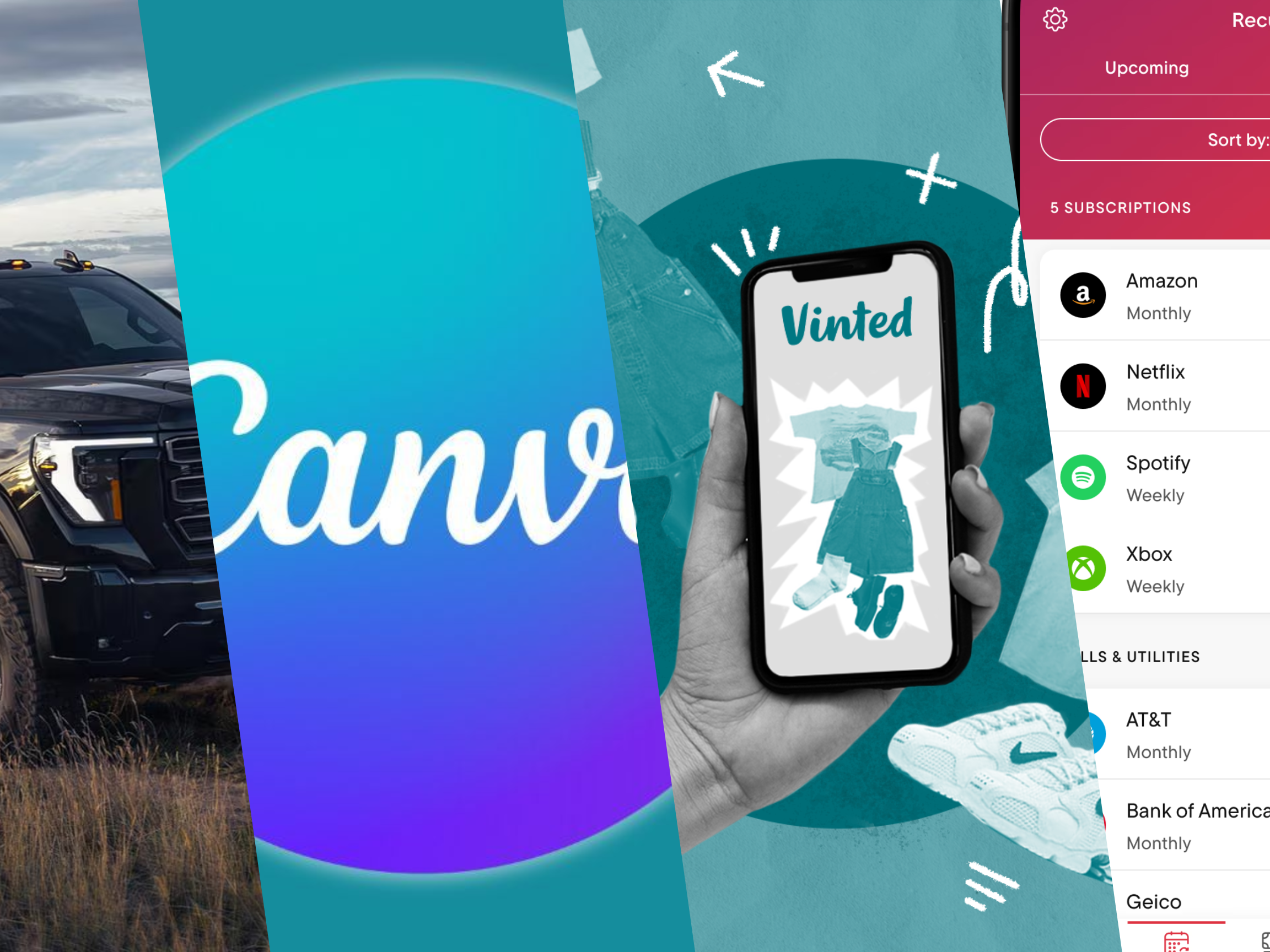
When Lo-Fi Works: Canva
Canva is the clearest example of lo-fi marketing done with genuine intelligence, and the reason is almost elegant once you see it.
Canva is a beginner-friendly design tool built on the promise that you do not need to be a professional to make something worth looking at. So when Canva produces ads that feel imperfect, energetic, and made with visible effort rather than visible budget, the medium is reinforcing the message in real time. You are not simply watching an ad for Canva. You are watching a quiet demonstration of what Canva makes possible. There is a reasonable chance the ad itself could be made on the platform it is advertising.
That is a brand that understands itself well enough to let its marketing be an extension of its product. The rawness is not a budget decision. It is a creative one, and the distinction is everything.
Canva's lo-fi content is also worth studying because it is never lazy. There is a clear point of view behind the camera, a considered energy to each piece, and a consistency that makes every ad feel like it came from the same place. Intentional imperfection paired with genuine effort. That combination is the entire game.
When Lo-Fi Fails Quietly: Vinted and GMC
Not every lo-fi failure announces itself. Some brands simply fade into their own unremarkability, producing content so absent of personality that it leaves no trace in the viewer's memory.
Vinted, the secondhand clothing marketplace, has been running lo-fi social ads that follow an identical structural formula with such rigid consistency that they begin to feel generated rather than created. The sound design is thin. The energy is absent. And the cumulative effect is a brand that feels less like a community of people who love secondhand clothing and more like an algorithm that has learned to mimic one. Lo-fi marketing depends on feeling alive. When it becomes a template, it defeats itself.
GMC is a different kind of failure, and in some ways a more revealing one. A legacy automotive brand with the resources and cultural weight of GMC defaulting to lo-fi aesthetics and stock footage is not a creative decision. It is the absence of one. The audiences who buy heavy-duty trucks carry strong feelings about those trucks. They expect to feel something when the brand shows up. Lo-fi deployed without intention does not feel honest to that audience. It feels like the brand does not know who it is talking to, or does not care enough to find out.
Both cases share the same root. The format was chosen for what it costs, not for what it communicates.
When Lo-Fi Actively Damages a Brand: Rocket Money
Then there is Rocket Money, which warrants its own conversation.
Rocket Money has the resources to produce polished, considered advertising. Money is, quite literally, in the name. The brand exists to help people take control of their finances, which is a proposition that requires a baseline of credibility and trust to land. And yet Rocket Money has committed, with remarkable consistency, to a single creative format: staged street interviews filmed to resemble organic TikTok content, shot on what appears to be aging consumer hardware, repeated with the kind of frequency that suggests either deep strategic confidence or a complete absence of creative oversight.
On social media, the format survives. TikTok and Instagram have conditioned their audiences to accept visual roughness, and a staged street interview can pass as native content when someone is mid-scroll. But Rocket Money has made the error of transporting that format directly onto television. And that is where the strategy collapses entirely.
Lo-fi content has a native habitat. It belongs in environments where imperfection reads as realness, where the viewer is already accustomed to encountering content made by people rather than productions. Television is not that environment. A viewer watching television carries different expectations, and when Rocket Money's iPhone-shot interview surfaces in that context, it does not feel authentic. It feels out of place. And a financial brand that feels out of place is not a brand that feels trustworthy.
This is a cohesion failure as much as it is a production one. The format does not match the platform. The platform does not match the brand promise. And every misaligned impression makes the next one harder to recover from.
The Question Every Brand Should Ask Before Going Lo-Fi
Lo-fi marketing is not a format. It is a posture. And like any posture, it has to be natural to the body holding it or it looks wrong immediately.
When a brand chooses lo-fi, it is making an implicit promise to its audience: what you are seeing is unfiltered and honest. The moment that promise feels broken, whether through lazy execution, hollow templating, or a format dropped carelessly into the wrong context, the audience does not simply tune out. They distrust. And distrust is far more expensive to undo than a production budget ever was.
Before any lo-fi campaign goes live, the question worth asking is not whether it looks raw enough. It is whether the rawness means something specific coming from this brand, on this platform, to this audience.
For Canva, it does. The results reflect that.
For Vinted, GMC, and Rocket Money, it does not. The content reflects that too.
Intention is the difference. It always is.
Seen a lo-fi campaign recently that either nailed it or missed completely? Send it my way.